INTRODUCTION
LIVESTOCK FARMING
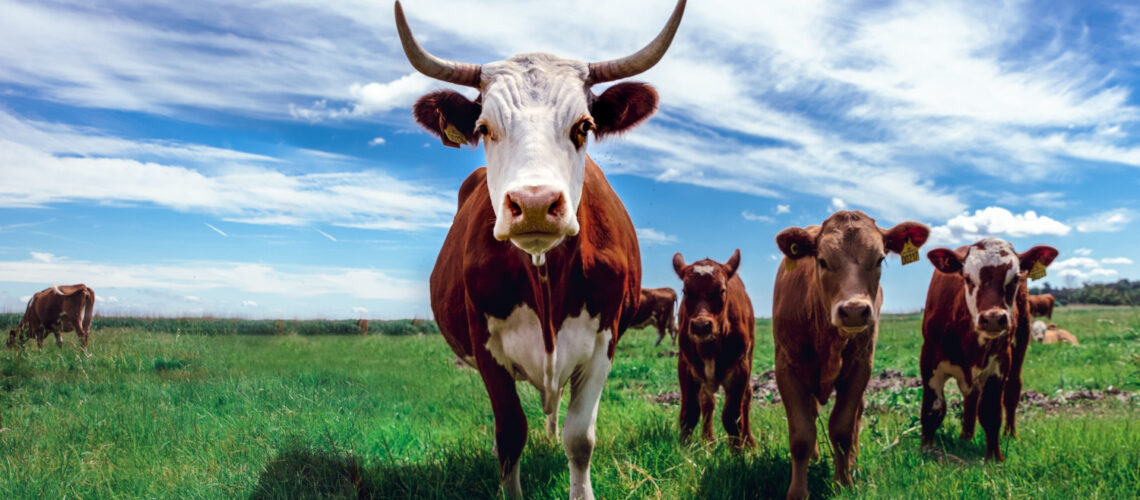
Livestock farming can be described as the processes involved in raising domesticated animals so as to give a wide variety of products essential for human consumption. As the human population continues to increase, so does our demand for food. This has led to an increase in livestock farming; however, these operations can have a detrimental effect on both animal and environmental health due to their resource-intensive nature. The intensive production practices used in large-scale animal husbandry operations are resulting in significant emissions of methane, carbon dioxide, and nitrous oxide—all powerful greenhouse gases that contribute to global warming and climate change.
Livestock farming has a significant environmental impact, which can affect natural resources and the ecosystem.
In this article, the environmental impacts of livestock farming will be explored. From water pollution to soil degradation, there is a wide range of harmful effects that result from commercial agriculture and the keeping of animals for food production and commercial purposes. Some steps to be taken so as to minimize their impact on the environment will also be addressed.
IMPACT OF LIVESTOCK FARMING
- It is one of the leading contributors to global warming due to its massive carbon monoxide emissions during the burning of fossil fuels as a result of mechanization, as well as methane produced by animals during digestive processes. Methane is the most prominent greenhouse gas emitted by ruminants like cattle which is released into the atmosphere throughout their digestive processes. Increased temperatures caused by raised greenhouse gases also indirectly affect harmful insect pests making them more active earlier in the season than usual leading to greater crop loss for some animal feed ingredients kept in storage.
- The production process generates significant amounts of waste products such as manure and antibiotics which can contaminate local waterways when improperly managed or disposed of. Intensive animal production as well uses large amounts of antibiotics which leads to increased antibiotic-resistant bacteria in humans or other organisms eating such products containing antibiotic residues.
- Many industrial farms contain thousands of animals kept at unnaturally high densities in cramped quarters with little access to natural light or fresh air – conditions that create stress levels not seen among free–ranging populations and cause respiratory illnesses resulting from extreme dust levels created by overcrowding.
- Livestock production also requires large amounts of water which can lead to water pollution when runoff enters rivers or groundwater sources, carrying excess nitrogen or phosphorus from fertilizers that are used on pastures where animals graze. This water contamination leads to tremendous damage to marine life. When animal wastes are disposed into water bodies, it perpetually raises the load of harmful chemicals disadvantageous to the aquatic environment. Run-off from animal waste into rivers also pollutes nearby drinking sources, resulting in health challenges for humans living in such areas.
- Land use is also affected by other grazing practices such as overgrazing and monoculture grazing systems resulting in soil erosion problems. Soil erosion leads to loss of fertility and vegetation cover, which reduces biodiversity levels around agricultural lands. These agricultural lands are also exposed to deforestation. Meat consumption itself contributes towards deforestation in part because forests are cleared away for space needed for grazing land or feed crops such as soybeans grown specifically for animal feed production. This type of deforestation increases CO2 levels, which further contributes to climate change. Habitat destruction also occurs as a result of livestock farming.
- Energy use: Livestock farming requires significant amounts of energy for feed production, processing, and transportation. This can lead to increased energy consumption and carbon emissions, which contribute to climate change and environmental degradation.
The above-mentioned impacts combined make it clear that responsible management practices must be in place if we wish to continue producing enough nutritious foods without sacrificing our environment’s health along the way.
MITIGATING THE ENVIRONMENTAL IMPACTS OF LIVESTOCK FARMING
In order to mitigate the impact of livestock farming on the environment, farmers can:
- Adopt sustainable grazing methods like rotational grazing, where animals graze an area briefly before being moved onto another one allowing vegetation time to recover before being grazed again.
- Use no-tillage practices so that soils remain intact preserving organic matter content within them thus reducing greenhouse gas emission potentials.
- Implement precision agriculture techniques like variable rate application technology that allow accurate control over inputs minimizing nutrient losses thereby avoiding water contamination issues.
- To mitigate these environmental impacts, some livestock farming practices can be targeted at resource use reduction, increased efficiency, and improved animal welfare. For example, sustainable livestock farming practices may include the use of renewable energy, the implementation of water management systems, the adoption of regenerative farming practices, and the reduction of food waste.
- In addition, plant-based diets and alternative protein sources can help to reduce the environmental impact of livestock farming.
THE ROLE OF GOVERNMENT
The role of government in achieving environmentally friendly livestock farming cannot be over emphasized. Governments must make policies, enact and regulate these policies, and agricultural production methods so that livestock farmers can adhere strictly to environmentally friendly laws.