
The Development Agenda for Western Nigeria (DAWN) Commission, in collaboration with the British Government’s education-focused programme Partnership for Learning for All in Nigeria (PLANE), organized a two-day Southwest Education Stakeholders Summit on May 8–9, 2024. The event brought together various regional education stakeholders, including state and non-state actors, to discuss and commit to collaborative efforts aimed at improving educational outcomes in the Southwest Region of Nigeria. The summit emphasized the importance of cooperation in advancing the region’s educational fortunes.
At the summit, Dr. Oyeleye, the Director-General of the DAWN Commission, began with a welcome address, acknowledging the southwest region’s rich heritage in education. He reminded attendees of Chief Awolowo’s legacy of free education and expressed concern about the state of learning, emphasizing the need for attention from all stakeholders.
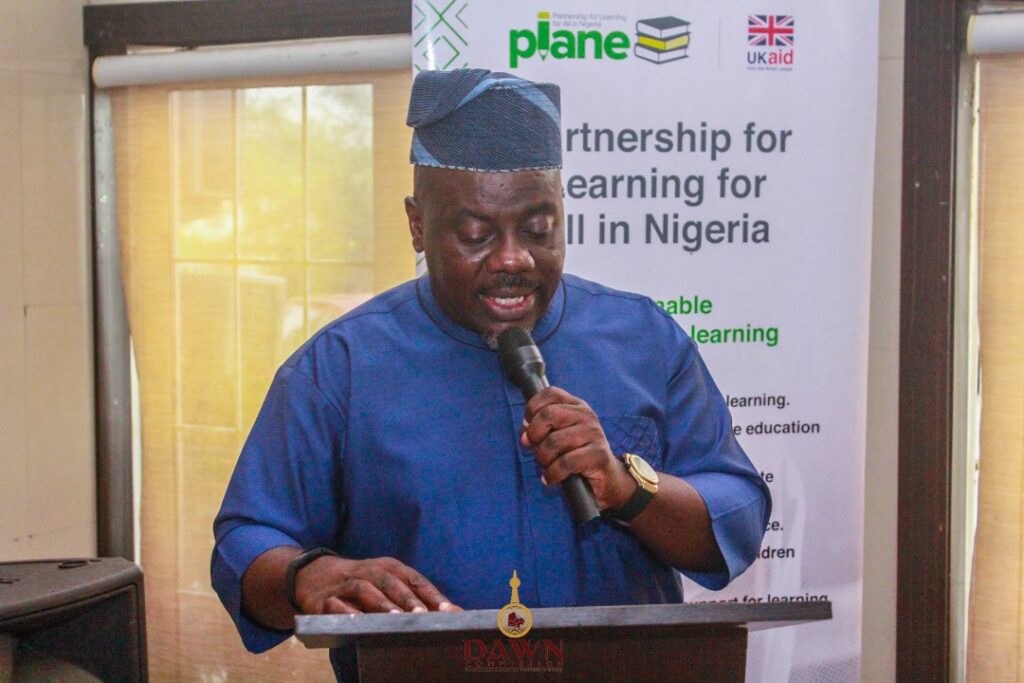
Mr. Ian Attfield, the Education Adviser for the British High Commission in Nigeria, conveyed greetings of goodwill as partners collaborating with the DAWN Commission to address education challenges in Southwest Nigeria. He acknowledged the significant dedication to education by parents in the region and praised the vital role played by numerous non-state schools in educating underprivileged children. He commended the Federal Ministry of Education and President Tinubu’s commitment to enhancing education quality through initiatives like the DOTS (Data, Out-of-School Children, Teacher Training, and Skills Development) agenda. Additionally, he underscored the UK government’s commitment to supporting nationwide educational improvement endeavours.
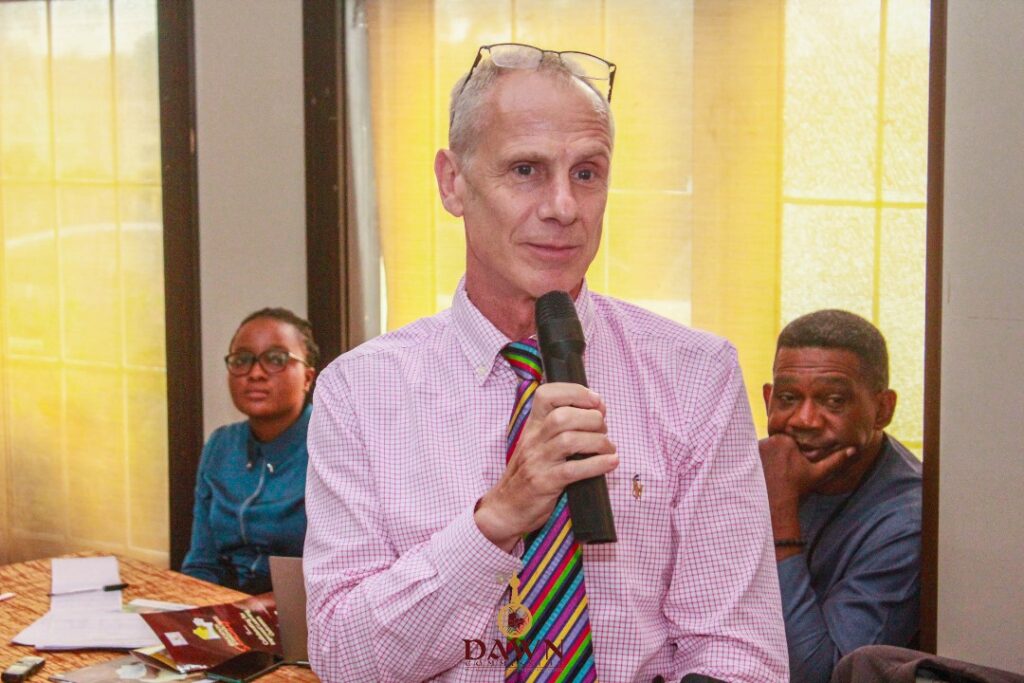
Mrs. Olufunke Ajayi, the Acting Executive Secretary of ODU’A Investment Foundation, emphasized during her goodwill message at the summit the foundation’s ambitious DEFINED Project, which seeks to revolutionize digital education in secondary schools across the region. She underscored their commitment to enhancing educational opportunities, healthcare, and youth development through information technology. Mr. Abiodun Oladipo, the Commission’s Head of Programmes and session facilitator, outlined the summit’s objective, which is primarily aimed at enhancing learning outcomes in schools through collaborative stakeholder efforts.
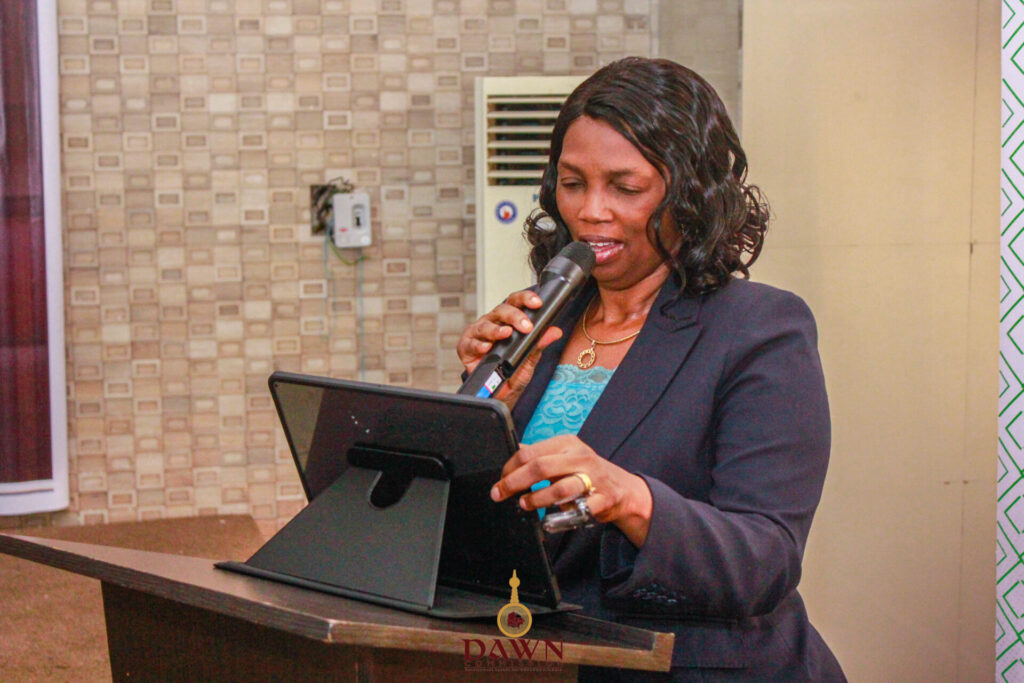
During the technical session, experts and data analysts, including Dr. Deji Adeniran from the Centre for the Study of Economies of Africa (CSEA), delivered insightful presentations, emphasising the necessity of shifting focus from mere to ensuring actual learning in classrooms and proposing a multi-faceted strategy involving classroom and curriculum improvements, strategic resource allocation, and robust teacher development initiatives.
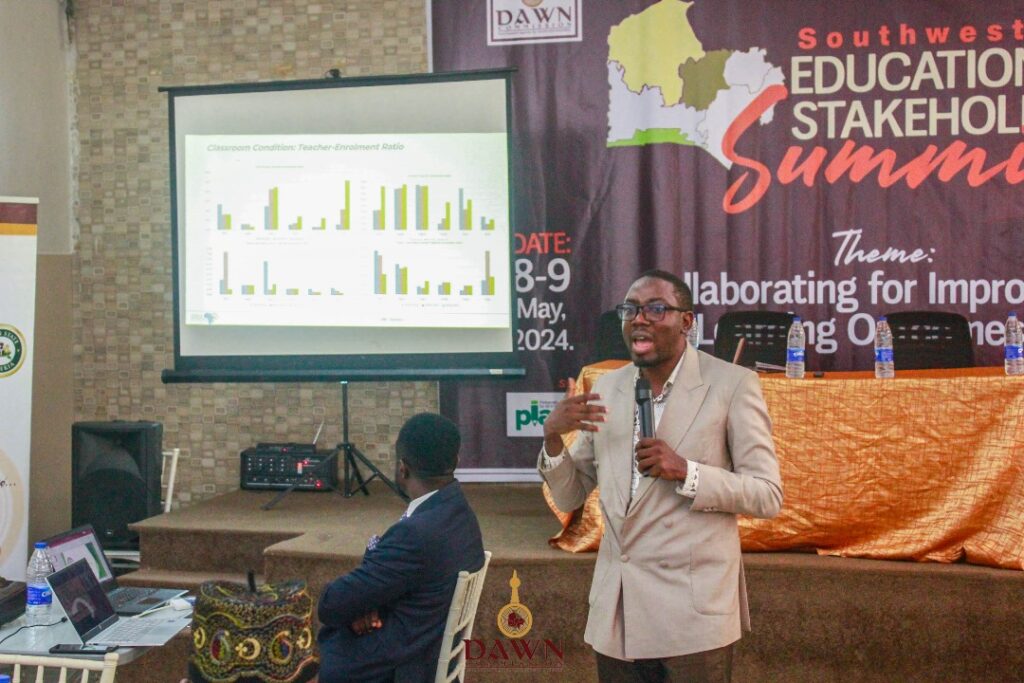
Mrs. Udegbue Stella from the Federal Ministry of Education subsequently presented the government’s updated roadmap for the education sector, emphasizing practical solutions through the DOTS program. Collaboration and communication among stakeholders were underscored as crucial elements for success.
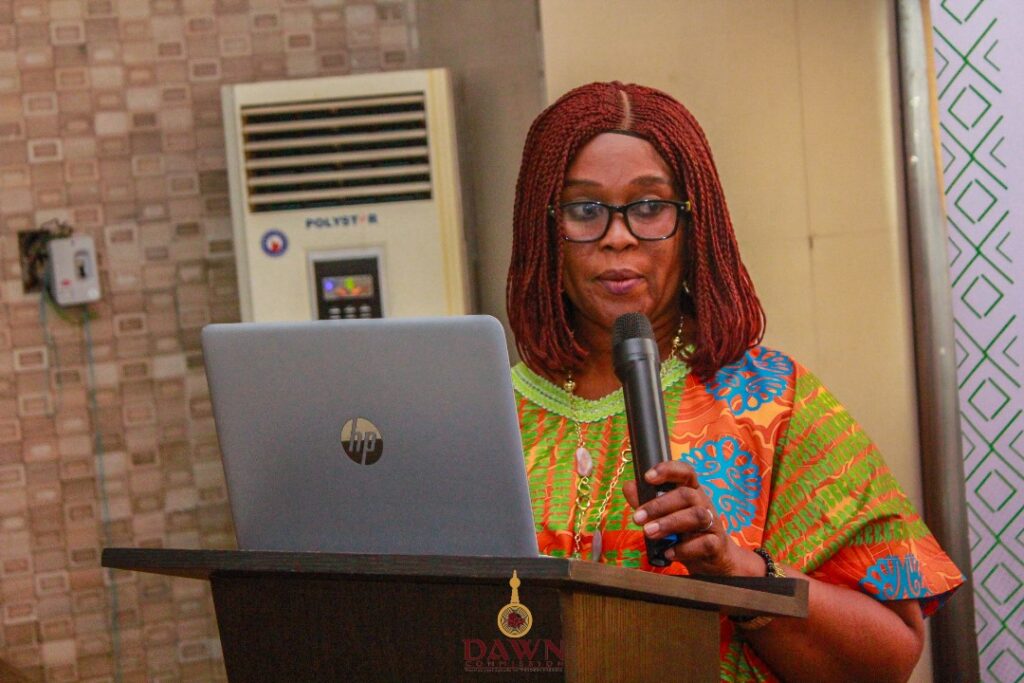
Dr. Gboyega Ilusanya of Wise Daniel Development Consultancy Services painted a clear picture of the challenges faced by schools in the Southwest; from overcrowded classrooms to low student achievement. He called for a multi-pronged approach as well, including reform of state schools, data-driven decision making, and effective support for non-state schools, particularly those yet to gain regulatory approvals.
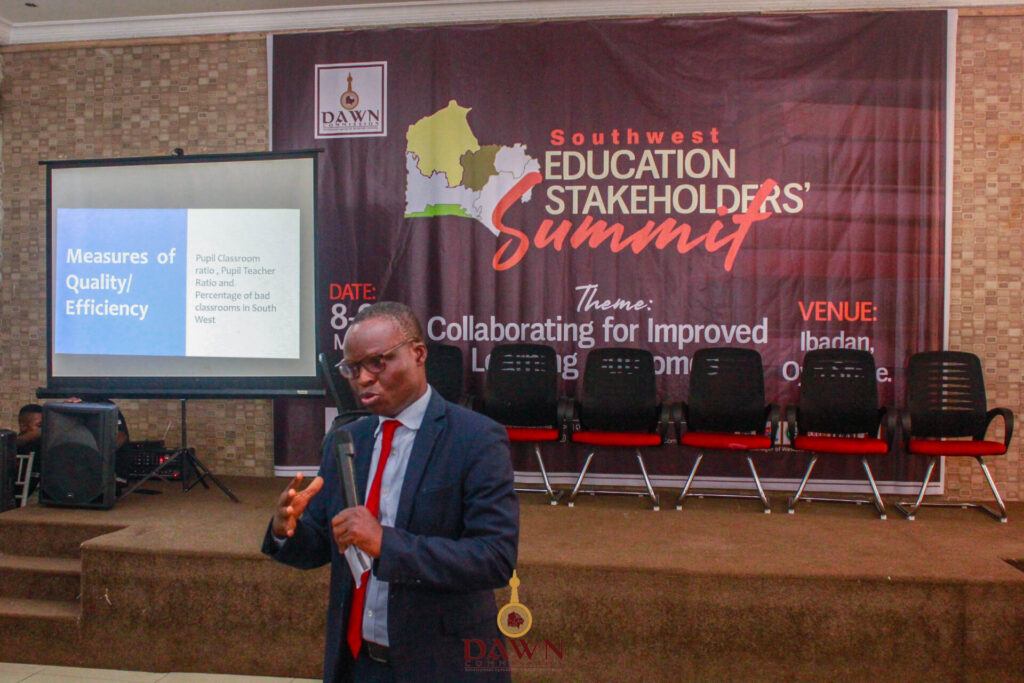
The expert-led presentation session was followed by a session for the education commissioners from the six Southwest States. They shared the unique approaches they are deploring to address the issues raised in the presentations and the challenges militating against basic education in their respective states.
The education commissioner of Oyo State shared insight on the state’s effort at reducing the rate of out-of-school children; Ondo State’s commissioner discussed the state’s data-driven teacher recruitment programme; Osun State’s commissioner focused on research and home-feeding programmes; Lagos State’s commissioner highlighted strategies for managing a large student population; Ekiti State’s commissioner emphasised the state’s commitment to data-driven budgeting; and Ogun State’s commissioner shared the innovative World Bank-funded project on skills development that is being implemented.
The panel also discussed the role of government in regulating the non-state education sector. There was a clear focus on private education regulations, teacher qualifications, curriculum implementation, data collection methods, and the unequal distribution of funding across states. They emphasised the need for qualified teachers, a balance between enabling private schools and ensuring quality education, and a data-driven approach to decision making. The importance of a strong reading culture, ongoing teacher training, and incorporating practical skills into the curriculum were also highlighted.
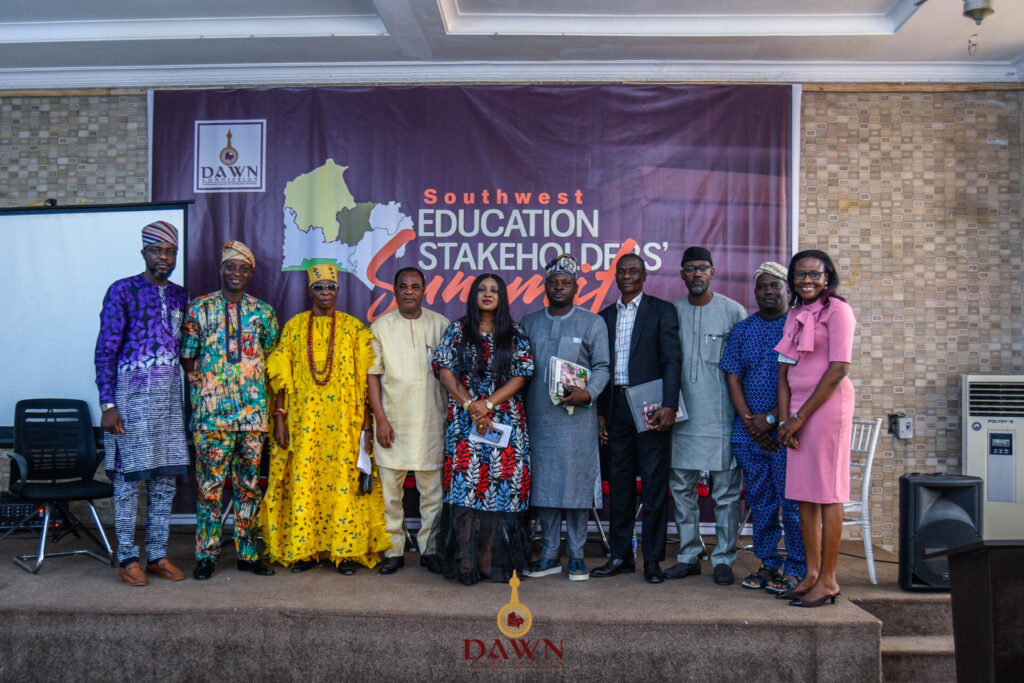
Additionally, the DAWN Commission’s partners, the Partnership for Learning for All in Nigeria (PLANE), officially expressed its commitment to collaborate with the governments of the Southwest states to enhance learning outcomes in the region, with a specific focus on Non-State schools. This initiative signifies a significant step towards fostering partnerships between governmental and non-governmental entities to address educational challenges and promote holistic development in Southwest Nigeria.
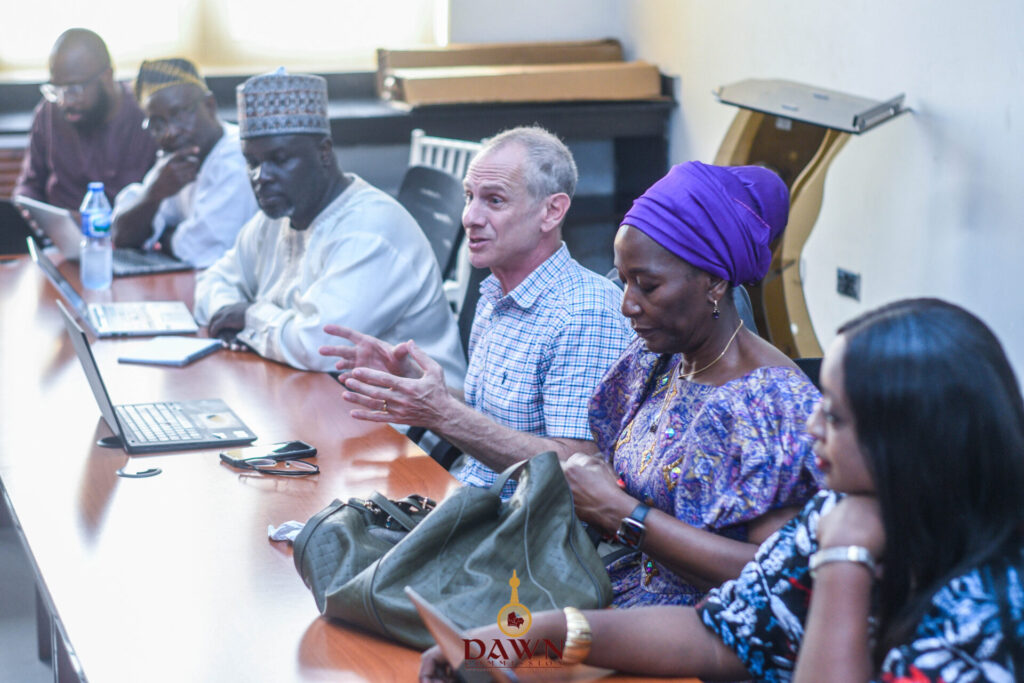
The Southwest Education Stakeholders Summit concluded with a productive breakout session. This session brought together all key players, including government officials and various citizen groups from each state. The purpose was to collaboratively address the challenges faced by basic education in their respective regions. The session didn’t just identify problems; participants also proposed solutions and established timeframes for their implementation. This collaborative effort highlighted a shared commitment among stakeholders to overcome educational hurdles and drive positive change across the Southwest.
In essence, the summit ended with clear resolutions from the participants. While acknowledging existing challenges, stakeholders expressed a strong commitment to tackling identified problems in the education sector through collaboration, sharing successful approaches, and learning from each other. Finally, the DAWN Commission reaffirmed its dedication to the summit’s outcomes, pledging to actively involve all relevant stakeholders in moving forward.